25 March 2026
Blue Cycads: South Africa's Most Striking Specimens
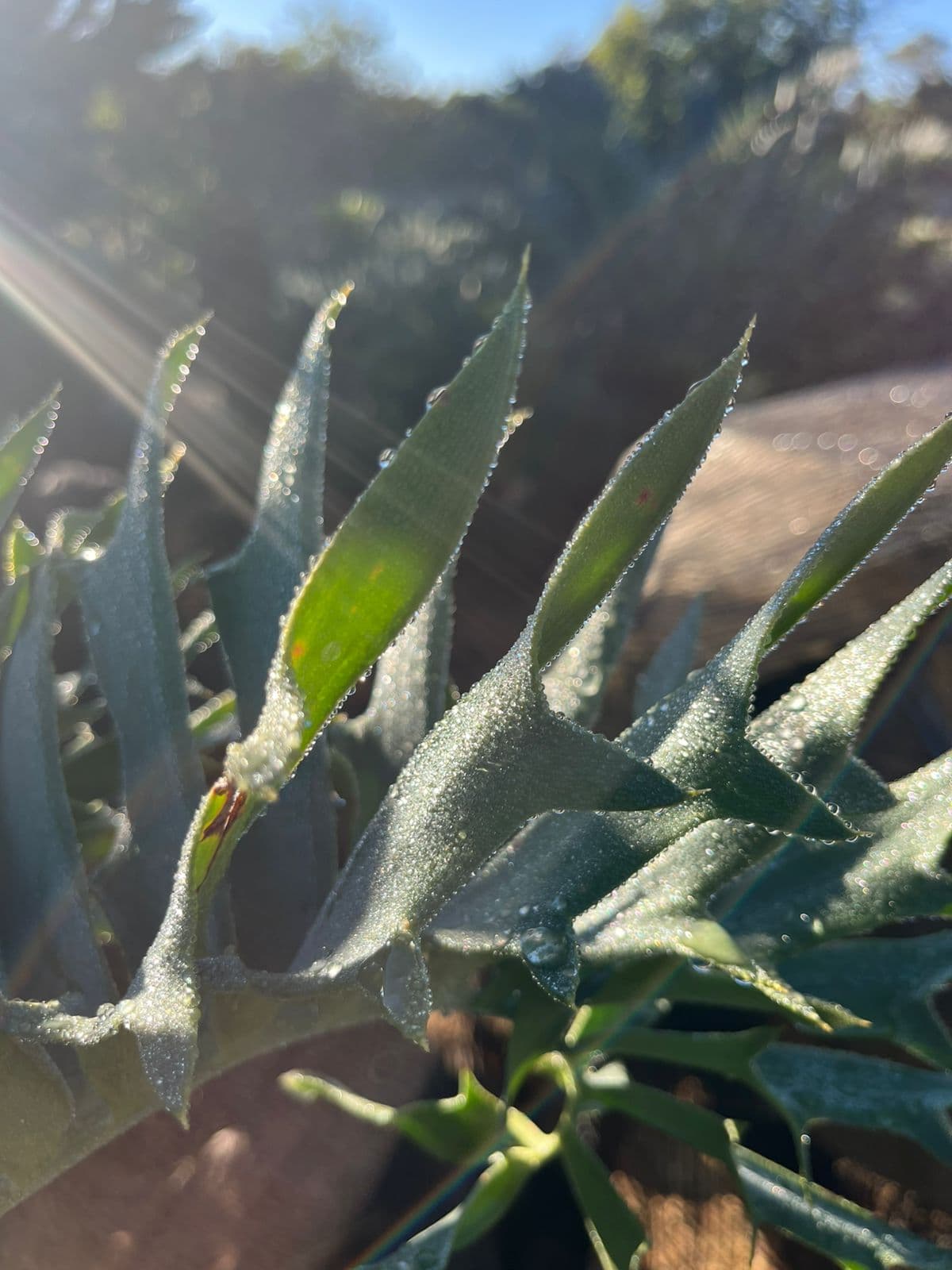
When people see a blue cycad for the first time, they often can't believe it's a real plant. The steely blue-grey leaves of species like Encephalartos horridus look almost metallic — and they're one of the most sought-after features in the cycad world.
Why Are They Blue?
The blue colour comes from a waxy coating on the leaf surface called a glaucous bloom. This coating reflects light and helps protect the plant from intense sunlight and moisture loss — an adaptation to the harsh, dry environments these cycads naturally inhabit.
Interestingly, plants grown in more shade tend to produce greener leaves, while those in full sun develop the most intense blue colouration. If you want the best blue, plant in a sunny spot.
Popular Blue Cycad Species
Encephalartos horridus
The most famous of the blue cycads. Native to the Eastern Cape, it has deeply divided, almost spine-like leaflets that give it an aggressive, architectural look. It's one of the smaller species, making it perfect for containers or feature planting.
Encephalartos lehmannii
Softer and more graceful than E. horridus, with powder-blue leaves that arch elegantly. Also from the Eastern Cape. A favourite for garden landscaping.
Encephalartos trispinosus
A compact, slow-growing blue cycad with distinctive three-pointed leaflets. Highly sought after by collectors and excellent in rockeries.
Encephalartos Eugene-maraisii
Named after the famous Afrikaans poet and naturalist Eugene Marais. A beautiful, medium-sized blue cycad from the Waterberg region of Limpopo.
Growing Blue Cycads
Blue cycads generally come from drier, rockier environments and prefer excellent drainage and full sun. They are more drought-tolerant than many green species and do well in the Highveld climate. Avoid overwatering — these plants are adapted to survive dry spells.
Browse our current stock of blue cycads in the store.