10 March 2026
How to Care for Your Cycad: A Beginner's Guide
Cycads have a reputation for being tough — and for good reason. They've survived hundreds of millions of years on Earth. But giving your cycad the right start makes a huge difference in how quickly it establishes and how well it grows.
Sunlight
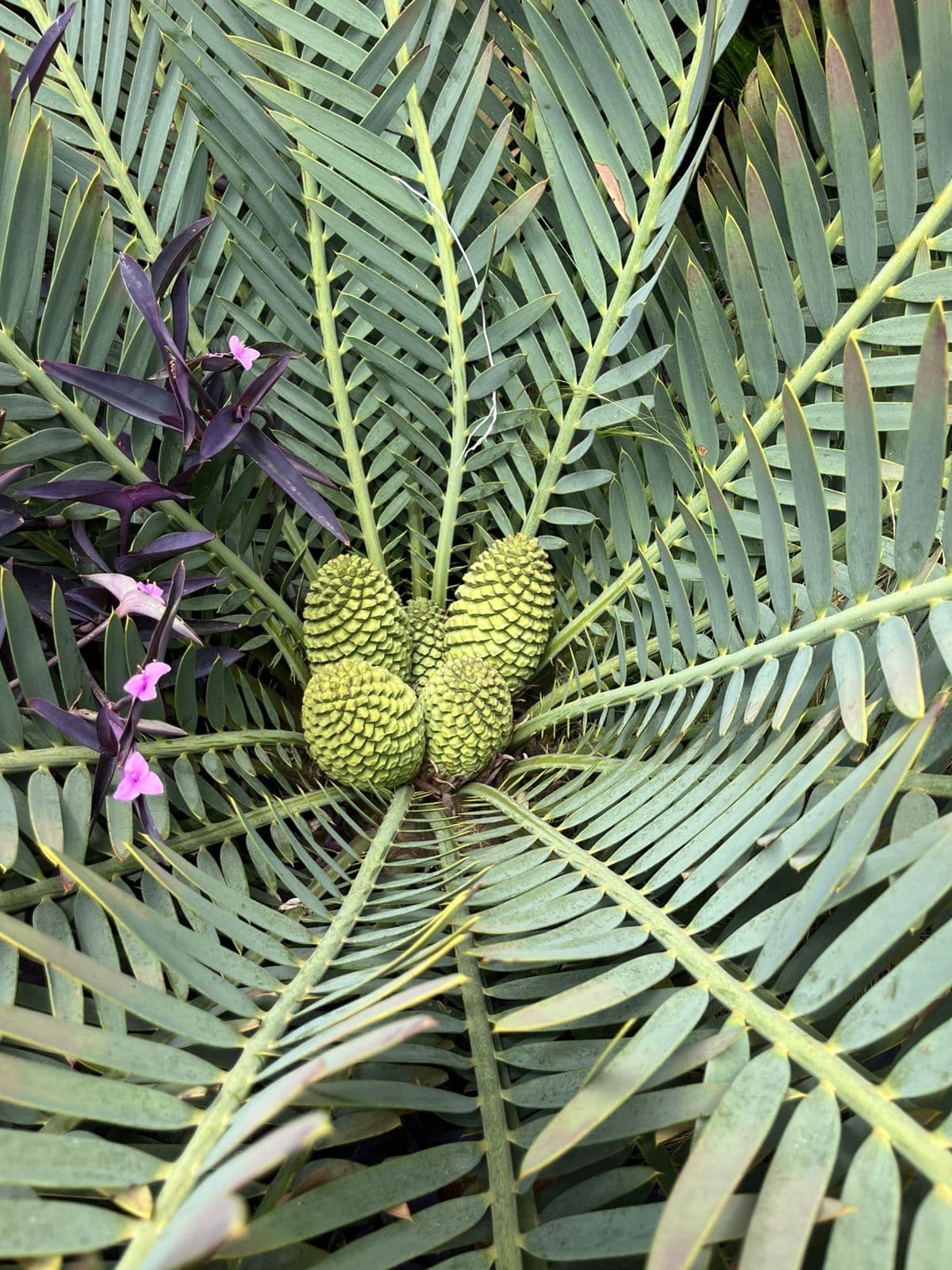
Most South African cycads prefer full sun to partial shade. Blue-leafed species like Encephalartos horridus and E. lehmannii thrive in full sun and develop their best blue colouring in direct light. Green species generally tolerate more shade.
Avoid deep shade — cycads in low light grow slowly and produce weak, stretched fronds.
Watering
Cycads are drought-tolerant once established but appreciate regular watering during the growing season (spring and summer). The golden rule: never let them sit in waterlogged soil. Good drainage is essential.
During winter, reduce watering significantly. Overwatering in cold, wet conditions is the most common cause of root rot in cycads.
Soil
Use a well-draining, sandy or gritty mix. Adding coarse river sand or perlite to your existing soil improves drainage significantly. Cycads dislike heavy clay soils.
Fertilising
Feed with a slow-release fertiliser in spring as new growth (a "flush") emerges. Avoid high-nitrogen fertilisers — too much nitrogen produces soft, lush growth that is more susceptible to pests.
Repotting
Cycads in containers should be repotted every 3–5 years or when roots start circling the base of the pot. The best time is early spring before the new flush of leaves.
Pests
Watch for cycad scale (Aulacaspis yasumatsui) — a white, powdery scale insect that can devastate a plant if left untreated. Treat with a systemic insecticide or neem oil at the first sign of infestation.