1 March 2026
What Is a Cycad? South Africa's Living Fossils
Cycads are among the oldest seed plants on Earth. They first appeared roughly 300 million years ago and survived the mass extinction events that wiped out the dinosaurs. Today, South Africa is home to some of the most diverse and sought-after cycad species in the world.
What Makes a Cycad Different?
Cycads are not palms, although they look similar at a glance. They belong to a completely separate plant division — Cycadophyta — and are more closely related to conifers and ginkgos. Key features include:
- A stout, woody trunk that grows very slowly
- A crown of stiff, feathery leaves (fronds)
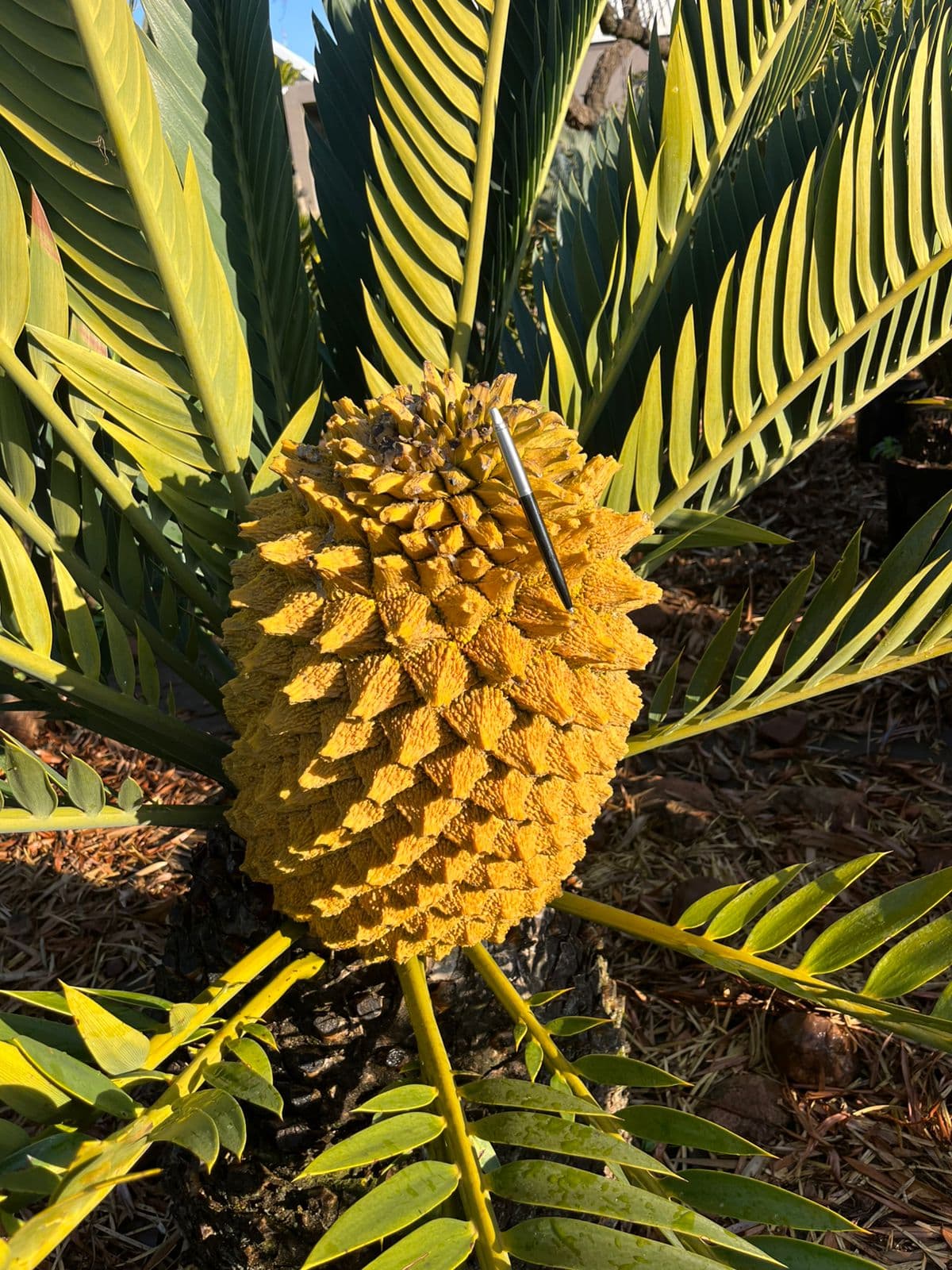
- Cones rather than flowers — male and female cones grow on separate plants
- Seeds that can take 9–18 months to mature
South Africa's Cycad Heritage
South Africa is home to the entire genus Encephalartos — over 38 species, many of which are found nowhere else on Earth. The name comes from Greek meaning "bread in the head" — early settlers extracted starch from the pith of the trunk as food.
Iconic South African species include the endangered E. woodii (only male plants remain in the wild), the striking blue-leafed E. horridus, and the large and majestic E. transvenosus.
Why Do Collectors Love Them?
Cycads combine the appeal of living history with genuine rarity. A well-grown specimen can live for hundreds of years and become a family heirloom. Their slow growth also means that a large plant represents decades of careful cultivation — something that simply cannot be rushed.
At Cycad Mad Nursery, every plant in our collection is legally sourced and fully documented with the required TOPS permits.